

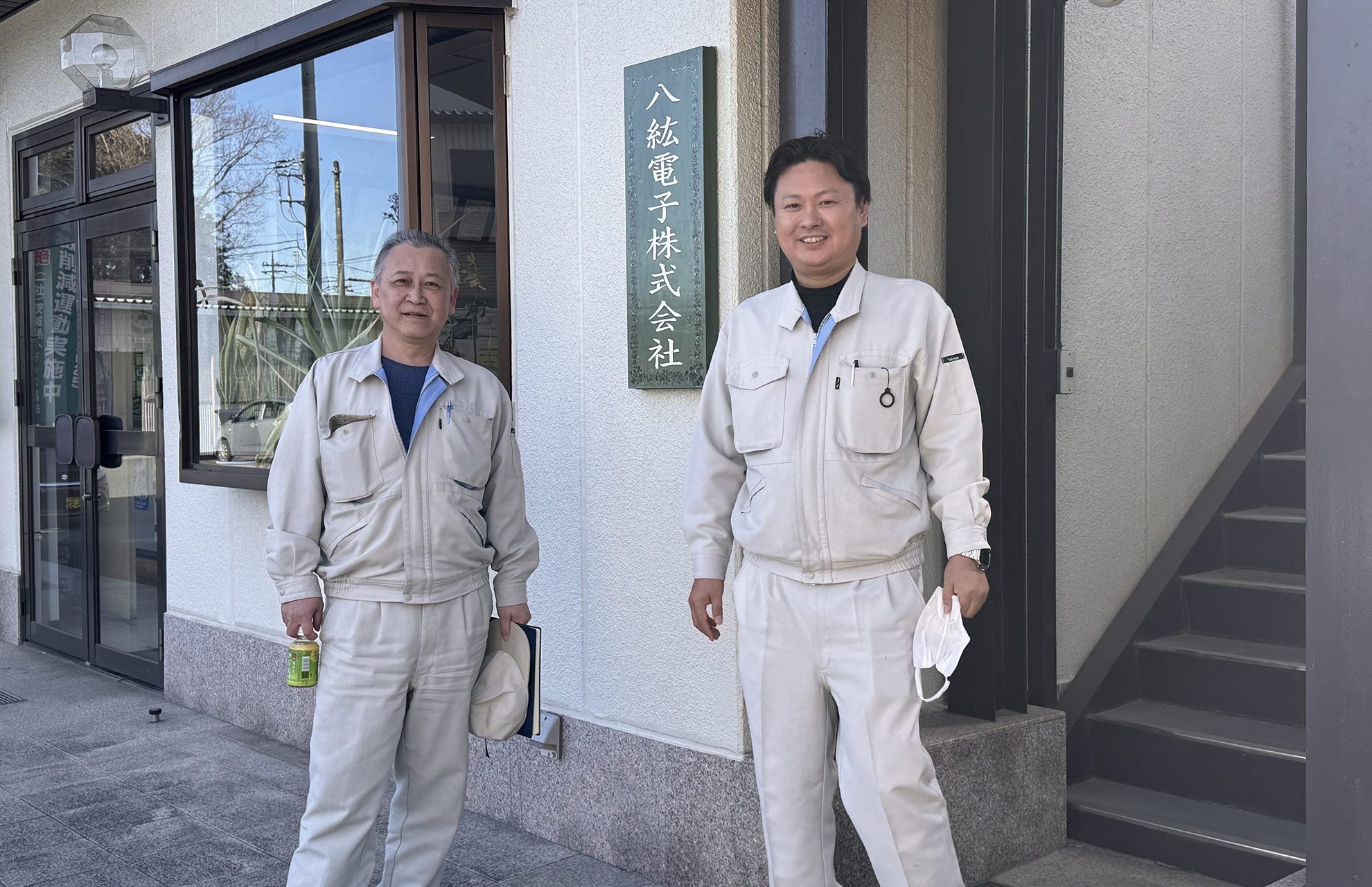
Case Study (Manufacturing): Hakko Electronics Co., Ltd.
This interview was recorded with Ishibashi and Umiwara from Hakko Electronics Co., Ltd., and Kin from Sanka. We asked about their plan to use Sanka to optimize inventory management and automate material requirements planning. Before and after adopting Sanka Kin: Thank you for your time today. To start, could you share the background behind choosing Sanka and the challenges you faced before adoption? Ishibashi: Our biggest challenge was that material requirements planning (MRP) was done in Excel or legacy production systems, which was highly inefficient. Even if we could see total stock, it was hard to subtract actual usage and understand true available inventory on the ground. Kin: In manufacturing, especially PCB assembly, managing small components is extremely demanding. Ishibashi: Exactly. We work with major manufacturers, and in some cases they manage consigned parts, so we also need to reconcile their data with ours. By implementing Sanka, we expect to connect reel racks (smart reels) with shop-floor inventory data so we can calculate requirements based on accurate stock. Kin: If your previous inventory management was like occasionally balancing a household ledger, Sanka will make it more like having your balance update the moment you make a purchase. That removes the anxiety of “how much do we really have?”Sanka operations flow Kin: Could you share what the operational flow will look like? Ishibashi: First, we will pull daily outbound data from smart reels. On top of that, we plan to input in/out movements from parts shelves in real time using smartphones or tablets on the shop floor. Kin: Will you make any adjustments for ease of input on the floor? Ishibashi: Yes. We plan to mount slightly larger phones or tablets at the shelves so staff can quickly input with a simple “beep” through the browser. Kin: That is great. We will import current inventory into Sanka at the next stocktake, then update daily. We will start with two main suppliers and expand step by step.
What matters in operations Kin: What are the most important points in your operations? Ishibashi: Because we are in PCB assembly, accurate inventory tracking to ensure uninterrupted production is critical. Sanka has adjusted the system so we can handle our unique part numbers and exclude certain processes in calculations. We value aligning the language of the shop floor with the system so operations reflect reality.
Expectations for Sanka Kin: What do you expect from Sanka going forward? Ishibashi: In the short term, we want the UI and terminology to be clear enough that staff can use it without confusion. If adjustments are needed on the development side, we hope for flexible support. Kin: Of course. Until everyone is comfortable, we will continue weekly check-ins and support so the team can truly feel the system is easy to use.
Message Kin: Lastly, do you have a message for other companies considering adoption? Ishibashi: If you feel paper or Excel-based management has reached its limit, the first step is to digitize what actually happens on the floor. We are steadily preparing to reach that digital goal ourselves.