

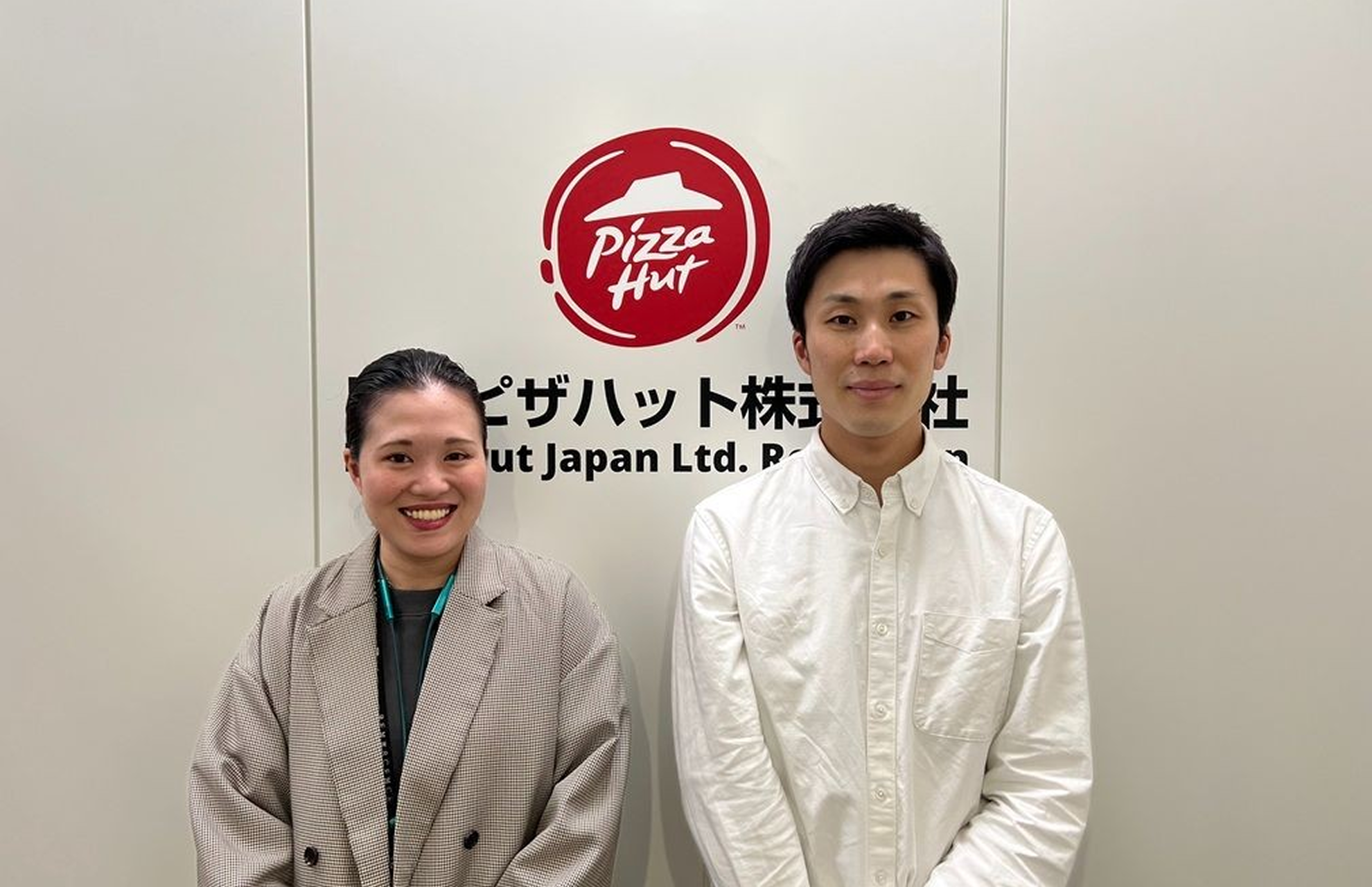
Before and after adopting Sanka
Kin: Thank you for your time today. To start, could you share the challenges you had before introducing Sanka at Pizza Hut? Mizumoto: The tool we used before covered basic posting and analytics, but it had many limitations. For example, we could not post multi-image carousels on Instagram, and it did not support hashtag analytics. After switching to Sanka, analytics operations in particular have improved significantly. Going forward, we want to use Sanka to analyze audience attributes and targeting, and keep iterating with PDCA cycles. Kin: Thank you. Figigi, how about you? Figigi: The previous tool was easy to use for Twitter and Facebook, but for Instagram, which I manage, it was honestly hard to use. It also lacked reporting for follower trends and likes per post, so I was doing daily manual work. After switching to Sanka, reporting became much easier, so I am very glad we made the change. Kin: You used to open the Instagram app manually just to build reports, right? We will keep improving Sanka.Operations flow with Sanka
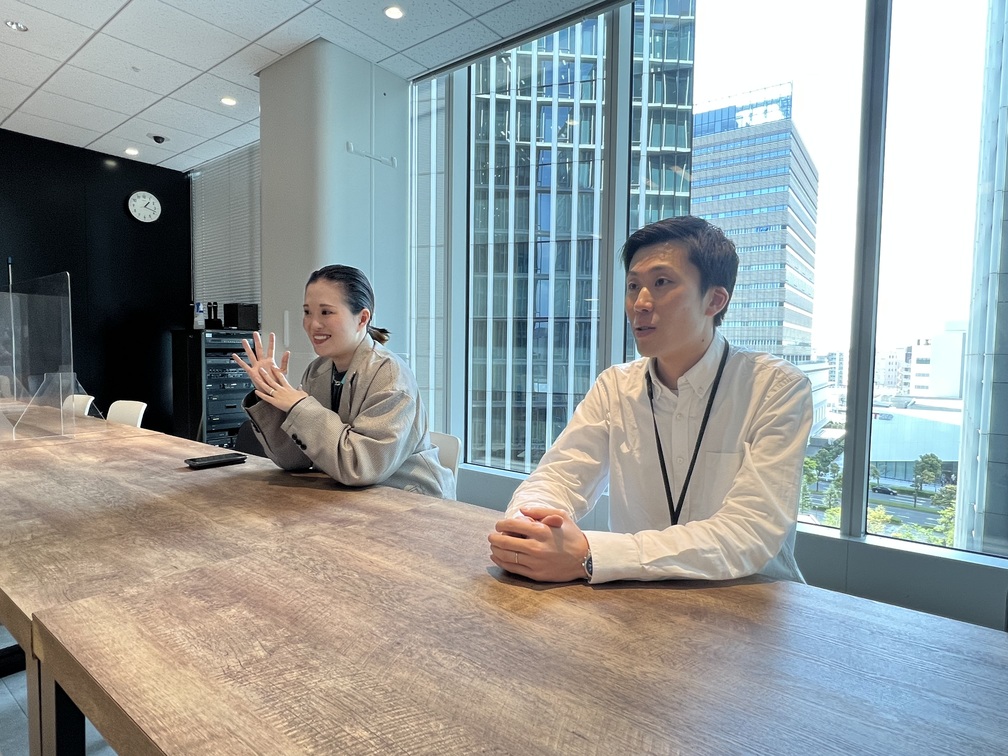 Kin: Next, could you walk us through your workflow with Sanka?
Mizumoto: We have a weekly Monday report for our department, where we report current follower counts and engagement across each social platform.
I used to check each SNS app directly and manually enter not only our follower counts but also competitor accounts into a spreadsheet. With Sanka, we can see competitor metrics alongside our own in the report screen, which is a very useful automation.
Kin: Thanks. Figigi, how about you?
Figigi: I am similar to Mizumoto. We create roughly a week of posts and creatives, then schedule them in the calendar and operate that way.
Sanka’s UI is very simple and easy to read. I can instantly see what to do, which I really like.
Kin: That is great to hear. Thank you.
Kin: Next, could you walk us through your workflow with Sanka?
Mizumoto: We have a weekly Monday report for our department, where we report current follower counts and engagement across each social platform.
I used to check each SNS app directly and manually enter not only our follower counts but also competitor accounts into a spreadsheet. With Sanka, we can see competitor metrics alongside our own in the report screen, which is a very useful automation.
Kin: Thanks. Figigi, how about you?
Figigi: I am similar to Mizumoto. We create roughly a week of posts and creatives, then schedule them in the calendar and operate that way.
Sanka’s UI is very simple and easy to read. I can instantly see what to do, which I really like.
Kin: That is great to hear. Thank you.
What matters in operations
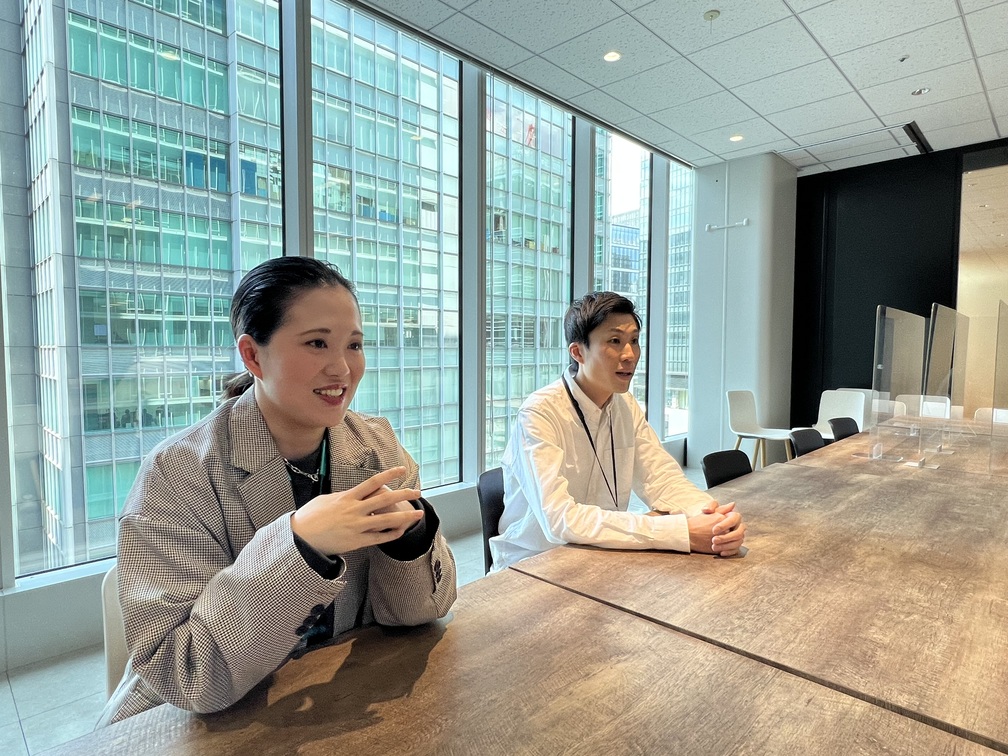 Kin: What do you consider most important in social media operations? Any advice for people who want to build an account like Pizza Hut and increase followers?
Mizumoto: One thing Pizza Hut values in social media operations is always responding to posts on Twitter and Instagram.
Pizza is not something people buy every week. Some customers might only order once a year. That is why we make a point of saying thank you to those customers.
We also receive negative posts, such as “the pizza was a little burnt.” For those, we still take action, guide them to support, and if resolved, respond with a like. We are careful to communicate either way.
With this approach, we often hear, “Pizza Hut’s official account responded, thank you, I’ll order again.” Regardless of follower count, we always show our appreciation.
It takes effort, but it is simple, so I recommend trying it.
Kin: That makes sense. It is ideal when follower and engagement growth happens naturally through communication.
It might sound self-serving, but Sanka can automate these steady listening and comment response tasks, so we want teams of any size to leverage it.
Figigi, how about you? I really enjoy Pizza Hut’s recent Instagram posts and think you manage it well. You started with a smaller audience than Twitter and have been growing rapidly. Could you share more about your strategy?
Kin: What do you consider most important in social media operations? Any advice for people who want to build an account like Pizza Hut and increase followers?
Mizumoto: One thing Pizza Hut values in social media operations is always responding to posts on Twitter and Instagram.
Pizza is not something people buy every week. Some customers might only order once a year. That is why we make a point of saying thank you to those customers.
We also receive negative posts, such as “the pizza was a little burnt.” For those, we still take action, guide them to support, and if resolved, respond with a like. We are careful to communicate either way.
With this approach, we often hear, “Pizza Hut’s official account responded, thank you, I’ll order again.” Regardless of follower count, we always show our appreciation.
It takes effort, but it is simple, so I recommend trying it.
Kin: That makes sense. It is ideal when follower and engagement growth happens naturally through communication.
It might sound self-serving, but Sanka can automate these steady listening and comment response tasks, so we want teams of any size to leverage it.
Figigi, how about you? I really enjoy Pizza Hut’s recent Instagram posts and think you manage it well. You started with a smaller audience than Twitter and have been growing rapidly. Could you share more about your strategy?
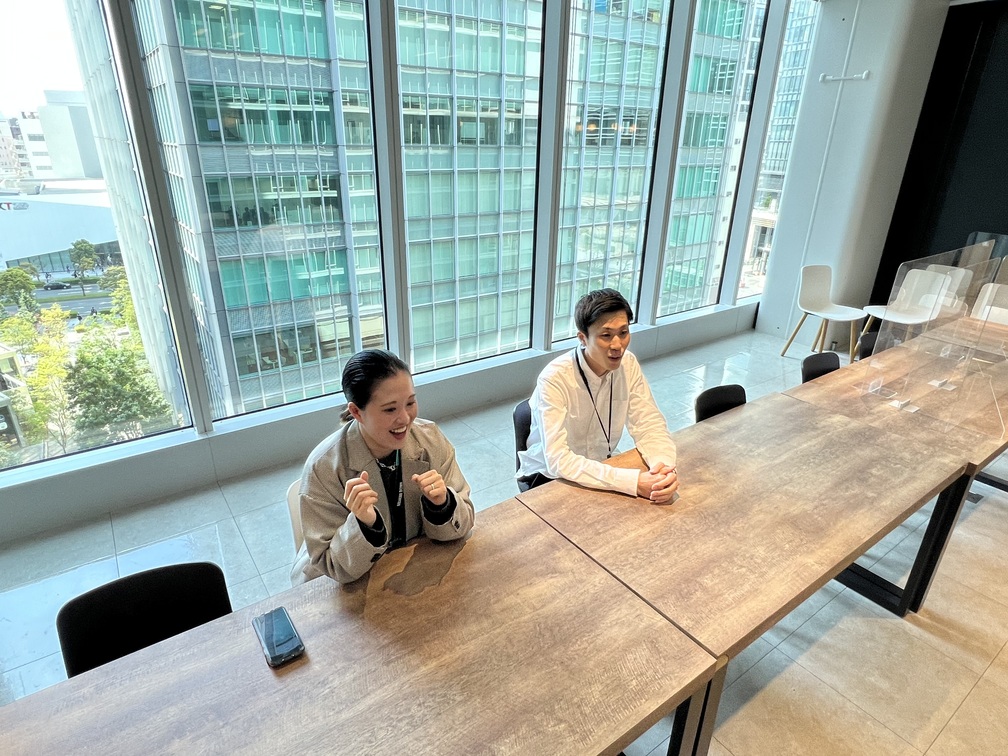 Figigi: For Instagram, our basic policy is to create creatives so that even if the account name is hidden, people can recognize the brand just by seeing the post.
Compared to other brands, our product is food, but we aim for creatives that still feel fashionable or on-trend.
We also try to post every day and place strong emphasis on using Stories.
In parallel, when customers tag our account, we get notified in real time. We also actively search for posts using the hashtag “#PizzaHut” and reply with thank-you comments.
This leads to people discovering our account for the first time, and we often gain followers from those interactions. It directly contributes to follower growth.
We are also focusing on video and repurposing TikTok videos and vertical edits of TV commercials for Instagram, increasing video posting frequency.
Kin: That is fascinating. The common theme in what you both shared is that if you prioritize communication with customers, the numbers follow. That feels like the core principle.
Figigi: For Instagram, our basic policy is to create creatives so that even if the account name is hidden, people can recognize the brand just by seeing the post.
Compared to other brands, our product is food, but we aim for creatives that still feel fashionable or on-trend.
We also try to post every day and place strong emphasis on using Stories.
In parallel, when customers tag our account, we get notified in real time. We also actively search for posts using the hashtag “#PizzaHut” and reply with thank-you comments.
This leads to people discovering our account for the first time, and we often gain followers from those interactions. It directly contributes to follower growth.
We are also focusing on video and repurposing TikTok videos and vertical edits of TV commercials for Instagram, increasing video posting frequency.
Kin: That is fascinating. The common theme in what you both shared is that if you prioritize communication with customers, the numbers follow. That feels like the core principle.
Expectations for Sanka
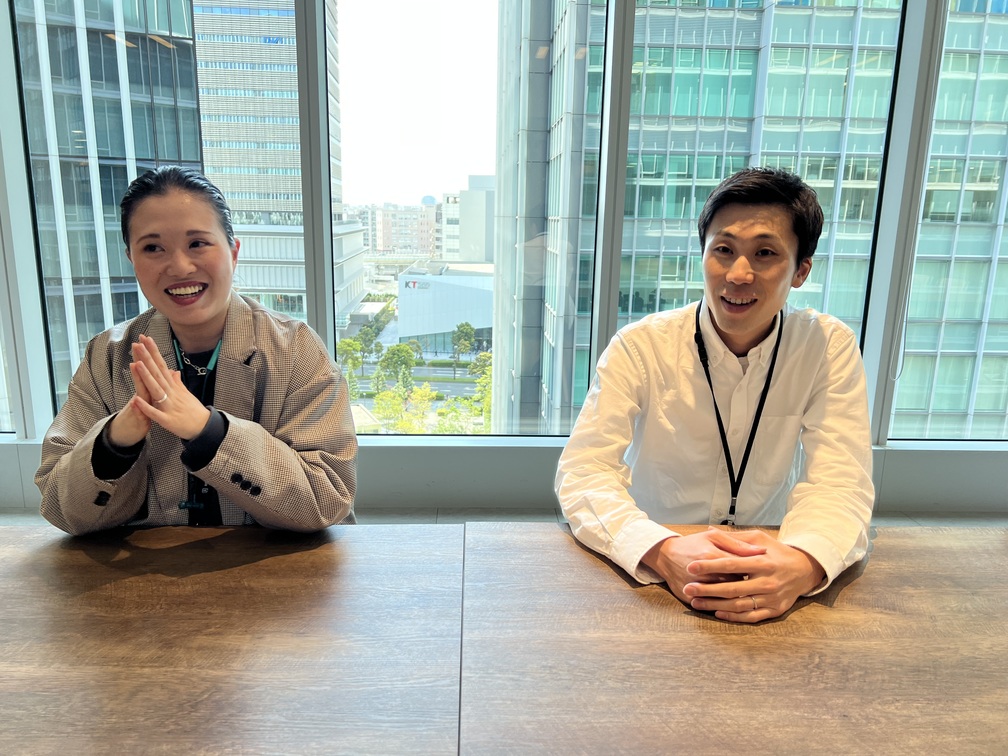 Kin: What would you like us to improve in Sanka?
Mizumoto: Honestly, there is nothing I would call “bad.” I just want us to keep improving.
For social listening, I would love to see user attributes analyzed automatically in addition to post volume.
For example, if we could see data like “this new product resonates with women in their 20s” versus “it resonates more with families over 30,” that would be very interesting.
Kin: That is a great idea. If we can implement it, it would help new product development and messaging by understanding who is posting, not just how many.
Figigi, how about you?
Figigi: I am already really grateful for Instagram analytics because it makes my work much easier.
If I had to request something, we run giveaway campaigns about three times a year. I currently have to manually check each like and comment to select winners and send messages. It would be very helpful if that could be automated and analyzed.
Kin: What would you like us to improve in Sanka?
Mizumoto: Honestly, there is nothing I would call “bad.” I just want us to keep improving.
For social listening, I would love to see user attributes analyzed automatically in addition to post volume.
For example, if we could see data like “this new product resonates with women in their 20s” versus “it resonates more with families over 30,” that would be very interesting.
Kin: That is a great idea. If we can implement it, it would help new product development and messaging by understanding who is posting, not just how many.
Figigi, how about you?
Figigi: I am already really grateful for Instagram analytics because it makes my work much easier.
If I had to request something, we run giveaway campaigns about three times a year. I currently have to manually check each like and comment to select winners and send messages. It would be very helpful if that could be automated and analyzed.
Message
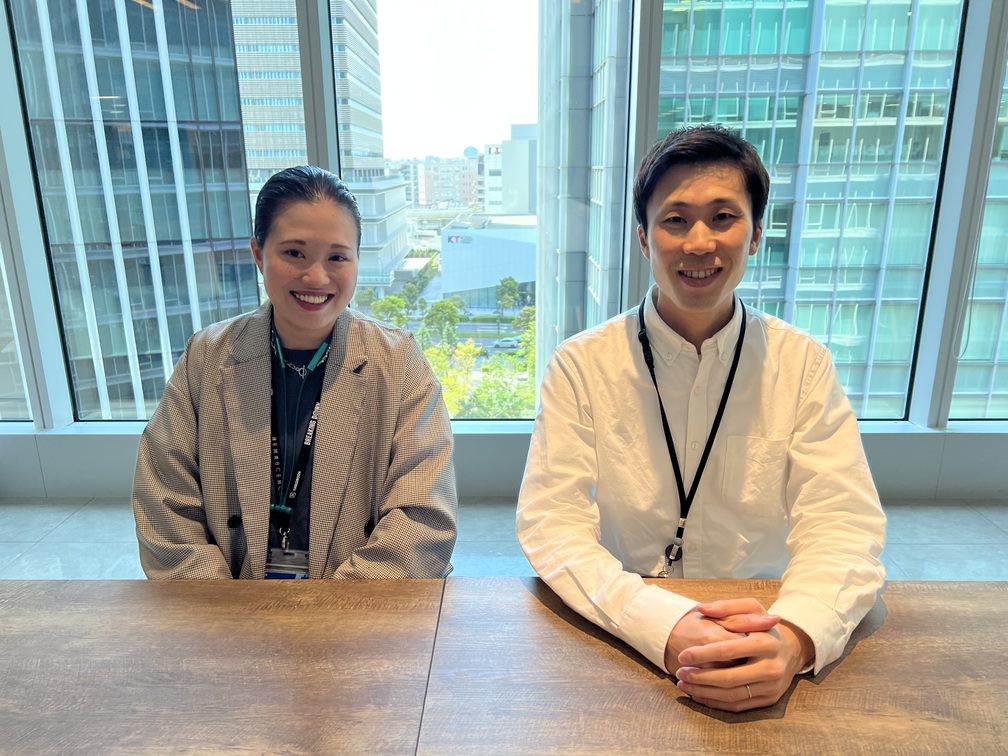 Kin: To wrap up, could you share a message with readers?
Mizumoto: The fun part of social media is how quickly you can take action. If you use social media well and respond to customers in real time, it becomes enjoyable work and creates a structure where the company and followers keep growing.
Kin: Thank you. I completely agree that enjoying the work is key.
Figigi: Operations are always trial and error. Keep analyzing whether your creatives and posts resonate with customers, and do not be too rigid.
If customers respond well, try a different direction next time. Operators need to be flexible.
Kin: Thank you both. I really appreciate your thoughtful comments. We look forward to continuing to work together.
Kin: To wrap up, could you share a message with readers?
Mizumoto: The fun part of social media is how quickly you can take action. If you use social media well and respond to customers in real time, it becomes enjoyable work and creates a structure where the company and followers keep growing.
Kin: Thank you. I completely agree that enjoying the work is key.
Figigi: Operations are always trial and error. Keep analyzing whether your creatives and posts resonate with customers, and do not be too rigid.
If customers respond well, try a different direction next time. Operators need to be flexible.
Kin: Thank you both. I really appreciate your thoughtful comments. We look forward to continuing to work together.